
Compare Local Contractors for LVT Flooring Installation Success
Compare local contractors for LVT flooring installation to define project scope, verify experience, and set clear expectations for a successful outcome.
Lvt flooring installation typically involves preparing the existing surface, laying down the vinyl planks or tiles, and ensuring proper adhesion and alignment for a smooth, durable finish. Contractors in this field often handle tasks such as removing old flooring, leveling subfloors, cutting materials to fit specific spaces, and applying sealants or finishes to protect the new surface. Proper installation is essential to achieve a seamless look and to maximize the longevity of the flooring, making it important for property owners to work with experienced professionals who understand the nuances of different Lvt products and installation techniques.
Defining the scope of an Lvt flooring project is a critical step that helps set clear expectations and ensures the work aligns with the property owner’s needs. A detailed scope typically includes the size of the area to be covered, the type and pattern of flooring selected, surface preparation requirements, and any finishing touches or accessories. Clarifying these elements in writing can prevent misunderstandings and provide a reference point throughout the project. It also allows property owners to assess whether a contractor’s expertise and services match the specific demands of their space, leading to a smoother installation process.
When comparing local contractors for Lvt flooring installation, property owners should evaluate their experience with similar projects, the quality of their previous work, and their ability to communicate clearly about scope and expectations. It’s helpful to verify how each service provider approaches surface preparation, material handling, and finishing details. Additionally, seeking out reviews or references can provide insight into their reliability and professionalism. By thoroughly assessing these factors, property owners can make informed decisions and select a contractor whose skills and approach align with the requirements of their flooring project.
Compare local contractors by outlining project priorities, verifying experience, and setting clear expectations in writing.
- Verify Experience - Ensure contractors have a proven track record with LVT flooring installation projects.
- Define Scope Clearly - Outline the specific work and materials to set clear expectations upfront.
- Compare Local Contractors - Review qualifications and services to find the best match for the project needs.
- Document Details - Keep all agreements, scope, and expectations in writing for clarity and accountability.

Before comparing local contractors for LVT flooring installation, clearly describe your project scope to ensure accurate matching.
- Verify experience with LVT flooring installation to ensure familiarity with product requirements and best practices. - Service providers should have a proven track record specifically in LVT flooring projects.
- Define the scope of work clearly in writing, including surface preparation, installation methods, and finishing details. - Clear documentation helps prevent misunderstandings and sets expectations upfront.
- Assess the contractor’s knowledge of proper subfloor preparation and moisture barriers for optimal installation results. - Proper subfloor assessment is essential for a durable and long-lasting floor.
- Request references or examples of completed LVT flooring projects to evaluate quality and craftsmanship. - Reviewing past work provides insight into the contractor’s expertise and attention to detail.
- Confirm that the contractor adheres to industry standards and best practices for LVT flooring installation. - Ensuring compliance with industry guidelines supports a successful installation.
- Discuss and agree upon project scope, materials, and responsibilities in a detailed written agreement before work begins. - A comprehensive contract helps ensure all parties are aligned on expectations and deliverables.
Compare local contractors’ experience, clarify project scope, and set clear expectations in writing.
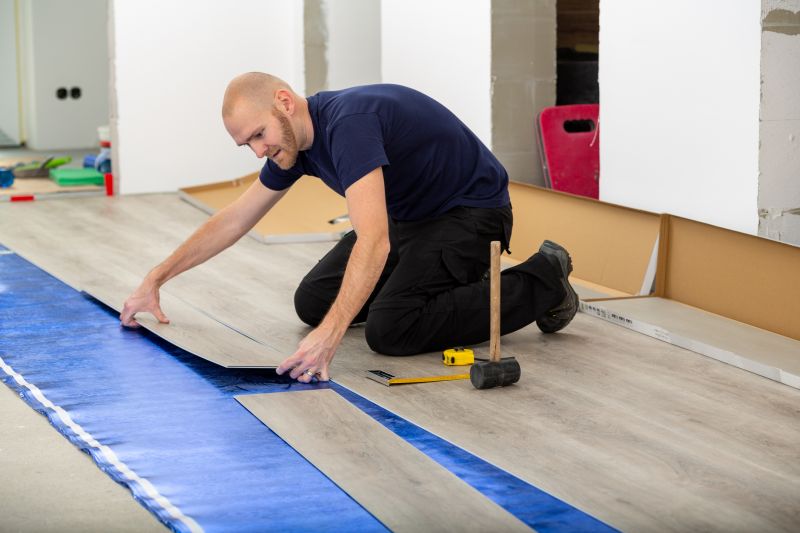



Use clear scope definitions and consistent comparison criteria to evaluate local contractors for LVT flooring installation.
- Scope Definition - Clearly outline the specific areas and surfaces where LVT flooring will be installed.
- Material Specifications - Specify the type, brand, and quality of LVT flooring to be used for the project.
- Preparation Requirements - Identify necessary surface preparation steps, including subfloor condition and leveling needs.
- Installation Method - Determine the preferred installation technique and any surface treatments required for proper adhesion.
- Warranty and Guarantees - Establish the scope of coverage and duration for any warranties provided by the service provider.
When comparing contractors for LVT flooring installation, it is important to evaluate their experience with similar projects. Homeowners should seek service providers who have a proven track record of installing Luxury Vinyl Tile in residential settings comparable to their own. Asking about past projects can help determine if a contractor has the necessary expertise to handle the specific requirements of the space, including subfloor preparation, pattern matching, and finishing techniques. An experienced contractor is more likely to understand potential challenges and deliver a quality result that meets expectations.
A clear, written scope of work is essential when assessing potential service providers. Homeowners should request detailed descriptions of what the installation will include, such as surface preparation, removal of existing flooring, and the installation process itself. A comprehensive scope helps prevent misunderstandings and ensures that both parties have aligned expectations. Service providers who can articulate the steps involved and specify the materials and techniques they plan to use demonstrate professionalism and transparency, making it easier to compare options objectively.
Verifying the basics of a contractor’s background is a crucial step in the selection process. Homeowners should consider the contractor’s reputation within the local community, including references or reviews from previous clients. Confirming that the service provider has a stable business presence and a history of completing projects successfully can help build confidence in their reliability. Additionally, understanding their approach to project management and communication can provide insight into how smoothly the installation process might proceed.
When evaluating options, it is helpful to focus on the quality of the proposal and the level of detail provided. Homeowners should look for service providers who offer well-structured proposals that outline the scope, materials, and methods in writing. Comparing these documents can reveal differences in professionalism, clarity, and thoroughness. By emphasizing the quality and specificity of each proposal, homeowners can make more informed decisions based on the contractor’s expertise, communication style, and ability to meet project expectations-without relying on price as the primary factor.
Ask contractors to provide written scope details to ensure clear expectations and consistent project understanding.
- Experience and Expertise - What specific experience do local contractors have with LVT flooring installation?
- Scope of Work - How do contractors define and clarify the scope of the installation project?
- Materials and Methods - What installation techniques and materials do service providers typically use for LVT flooring?
- Project Expectations - How can the scope and process be documented to ensure clear expectations?
- Comparison Criteria - What factors should be used to compare and evaluate different local contractors for LVT flooring installation?
How can I compare contractors for LVT flooring installation? To compare contractors, review their experience with LVT flooring, ask for references, and verify their familiarity with the installation process to ensure they meet project requirements.
What should I consider when defining the scope of the installation project? Clearly outline the area to be covered, type of LVT flooring, preparation work needed, and any specific finishing details to ensure contractors understand the project scope.
How can I verify a contractor’s experience with LVT flooring? Request details about previous projects, ask for examples of similar installations, and check references to confirm their expertise in LVT flooring installation.
Why is it important to have the scope of work in writing? Having a detailed, written scope helps prevent misunderstandings, sets clear expectations, and provides a reference for the completed work.
What questions should I ask a contractor before hiring for LVT flooring installation? Inquire about their experience, the materials they recommend, the installation process, and how they handle potential issues that may arise during the project.
How can I ensure a contractor understands my specific installation needs? Communicate your project details clearly, ask for their input on the scope, and request a written plan to confirm mutual understanding before work begins.
By exploring the information provided, visitors can better understand how to identify qualified contractors for LVT flooring installation, including defining the scope of work, verifying experience, and ensuring all expectations are clearly outlined in writing. This approach helps facilitate a smoother selection process when comparing different service providers. To find the right fit, use the quote form to connect with local contractors who can handle the project and provide details that match specific needs.
Utilizing the quote form allows visitors to easily compare options among local contractors specializing in LVT flooring installation. This process supports making informed decisions by gathering details and establishing clear expectations with service providers in the area. Connecting through this method is a practical step toward finding experienced local contractors suited to the project requirements.